Historical reports do not emerge overnight. Behind every published document lies a lengthy process of research, analysis, source evaluation and documentation. The reports prepared by the Independent International Commissions on Sarajevo and Srebrenica are no exception.
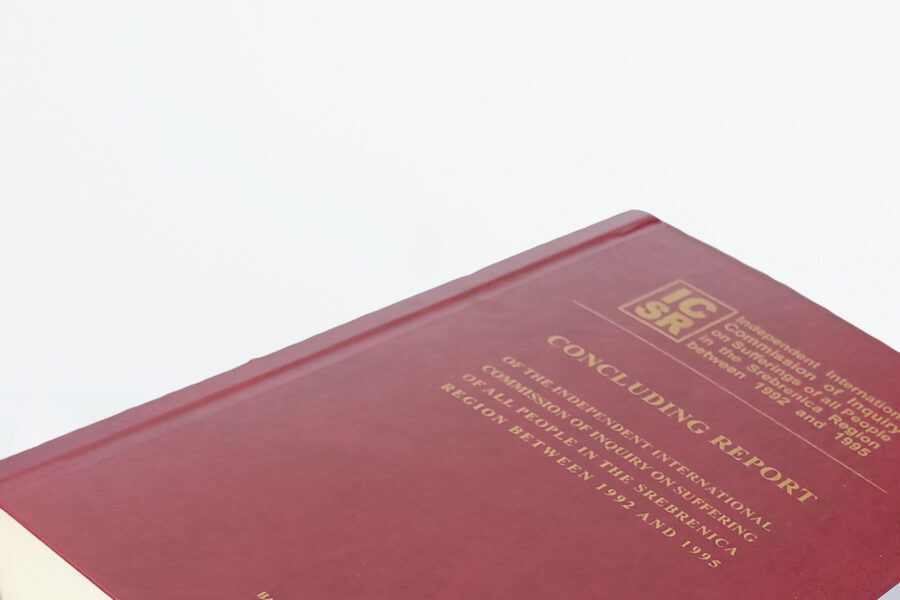
Published in 2021, these reports represent years of work involving the examination of historical records, testimonies, demographic studies and archival materials related to the conflict in Bosnia and Herzegovina during the 1990s. Understanding how such commissions operate provides important context for understanding the reports themselves.
WHY WERE THE COMMISSIONS ESTABLISHED?
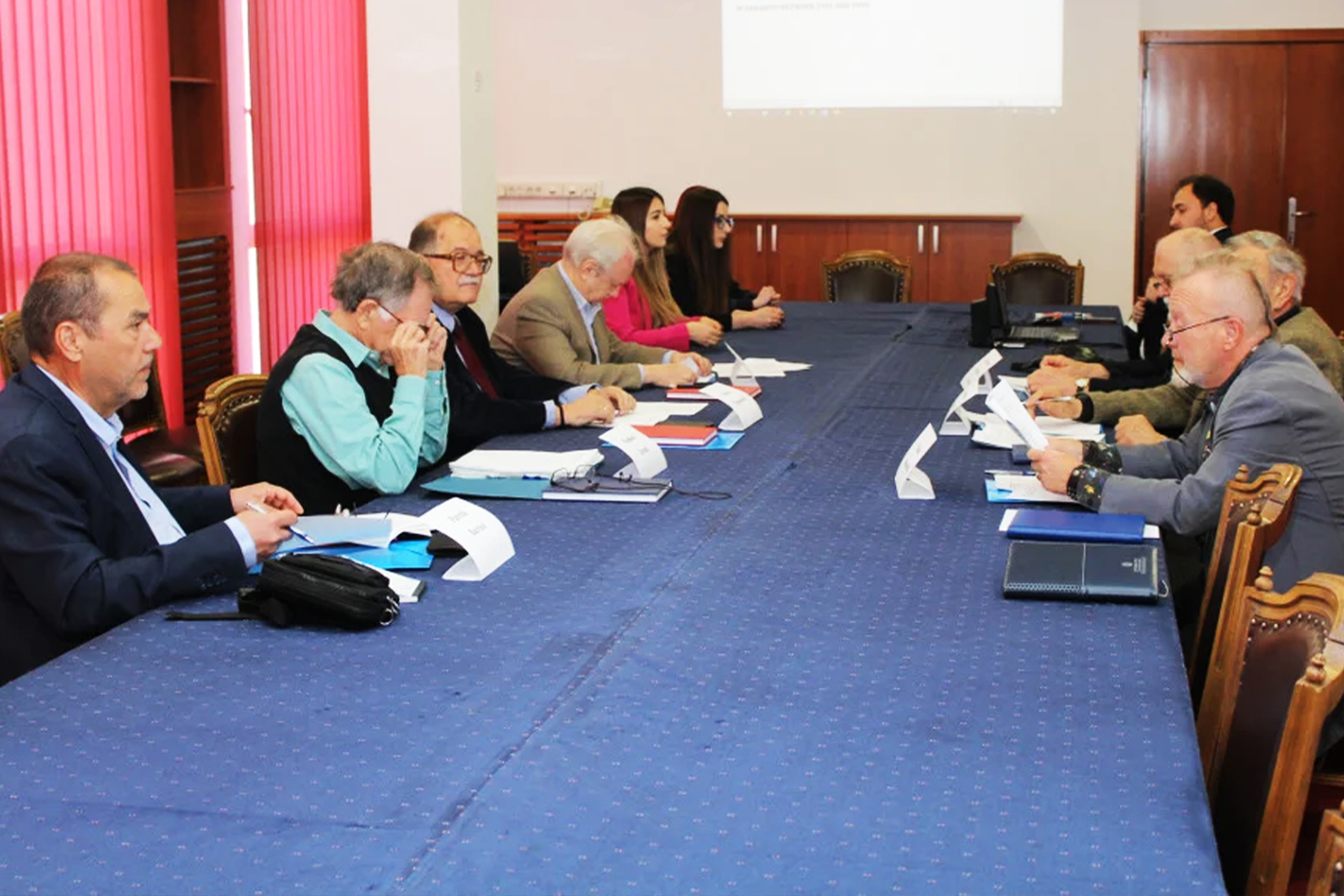
In February 2019, two Independent International Commissions were appointed with the task of examining specific historical questions connected to the conflict in Bosnia and Herzegovina.
The first commission was established to investigate the suffering of Serbs in Sarajevo during the period from 1991 to 1995.
The second commission was tasked with investigating the suffering of all peoples in and around Srebrenica during the period from 1992 to 1995.
The purpose of the commissions was to conduct research, review available evidence and prepare comprehensive reports based on historical documentation and other relevant sources.
BRINGING TOGETHER INTERNATIONAL EXPERTISE
Historical commissions often rely on experts from multiple disciplines. Understanding complex historical events requires more than a single area of expertise.
Researchers may examine archival records. Historians may analyze historical context. Demographers may study population data and migration patterns. Legal experts may review relevant legal documentation. Other specialists may contribute knowledge in fields ranging from political science to military history. By bringing together experts with different backgrounds, commissions seek to approach historical questions from multiple perspectives and methodologies.
COLLECTING HISTORICAL EVIDENCE
A major part of the commissions’ work involved gathering and reviewing available evidence. Historical research depends on sources. These can include official records, archival documents, witness testimonies, demographic studies, academic publications, media reports and other forms of documentation.
Each source must be examined carefully. Researchers compare information from different sources, identify areas of agreement and disagreement and assess the reliability of available evidence. The process is often time-consuming and requires extensive review of large amounts of material.

THE ROLE OF TESTIMONIES
Personal testimonies play an important role in many historical investigations. Witnesses and survivors provide perspectives that may not always appear in official documents. Their experiences can help researchers understand how historical events affected individuals and communities.
At the same time, testimonies are usually examined alongside other forms of evidence. Historical commissions generally seek to compare personal accounts with documentary sources, demographic data and archival materials to create a broader understanding of events. In this way, testimonies become part of a larger body of historical evidence.
EXAMINING DEMOGRAPHIC AND ARCHIVAL DATA
Historical research often extends beyond written narratives. Demographic studies can provide insight into population movements, casualty estimates and broader social changes. Archival materials can reveal administrative records, correspondence, reports and other documents produced during a specific period.
Together, these sources help researchers reconstruct historical events and place individual experiences within a wider context. The commissions reviewed a variety of materials as part of their effort to produce comprehensive reports.
FROM RESEARCH TO FINAL REPORTS
Once evidence has been collected and analyzed, researchers begin the process of drafting their findings. This stage involves organizing information, identifying key themes and presenting conclusions supported by the available evidence.
The resulting reports are intended to serve as historical documents that preserve information for future researchers, educators and members of the public. In 2021, the final reports of the Independent International Commissions were published, making the results of their work available to a wider audience.
WHY UNDERSTANDING THE PROCESS MATTERS
Public discussions often focus on the conclusions contained within historical reports. Yet understanding how those reports were prepared is equally important.
Research methodology, source collection, testimony review and archival analysis form the foundation of any historical investigation. These processes help explain how findings are developed and how historical documentation is assembled.
By understanding the work that takes place behind the scenes, readers gain a greater appreciation for the complexity of historical research and the challenges involved in examining past events.
PRESERVING THE RECORD
The reports of the Independent International Commissions represent more than a collection of conclusions. They also reflect a broader effort to collect, preserve and organize historical documentation. Through digital archives, educational resources, interviews and multimedia content, projects such as INCOMFIS seek to make these materials more accessible to researchers, students and the public. Historical memory depends not only on preserving documents, but also on ensuring that future generations can discover, explore and engage with them. Understanding how historical research is conducted is an important step in that process.