More than three decades have passed since the conflict in Bosnia and Herzegovina. During that time, countless books, studies, reports and testimonies have been produced in an effort to understand the events that shaped the region’s modern history. Yet many important historical documents remain largely unknown to the wider public.
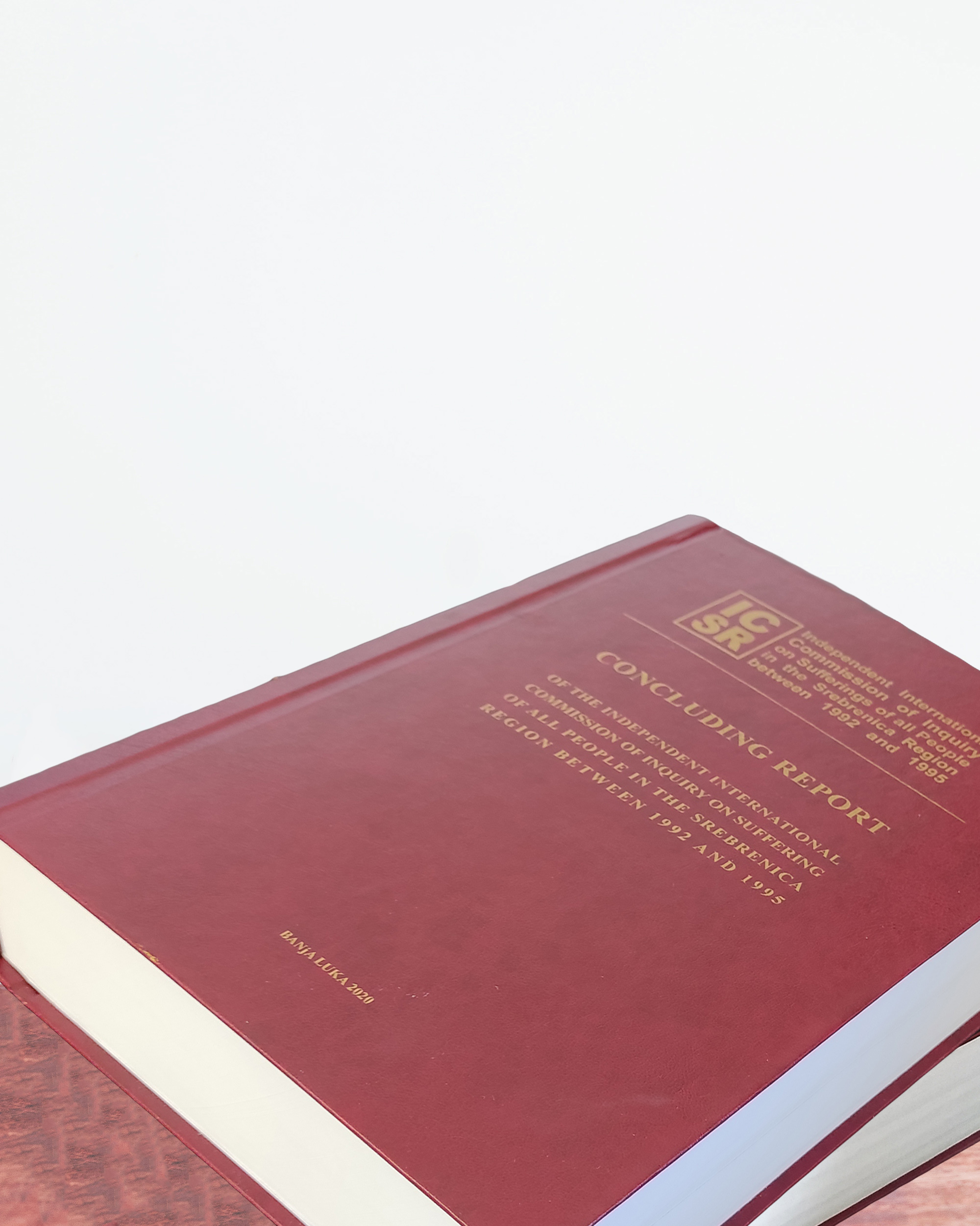
Among these are the reports prepared by the Independent International Commissions established to investigate historical events in Sarajevo and Srebrenica. Published in 2021 after years of research and analysis, these reports represent a significant collection of historical material, testimonies, demographic data and archival documentation.
Today, however, the challenge is no longer only the creation of historical records. The challenge is preserving them, making them accessible and ensuring that future generations can engage with them in meaningful ways.
THE CREATION OF THE INDEPENDENT INTERNATIONAL COMMISSIONS
In February 2019, two Independent International Commissions were established with the objective of examining historical events connected to the conflict in Bosnia and Herzegovina.
The first commission was tasked with investigating the suffering of Serbs in Sarajevo during the period from 1991 to 1995. The second commission focused on the suffering of all peoples in and around Srebrenica during the period from 1992 to 1995.
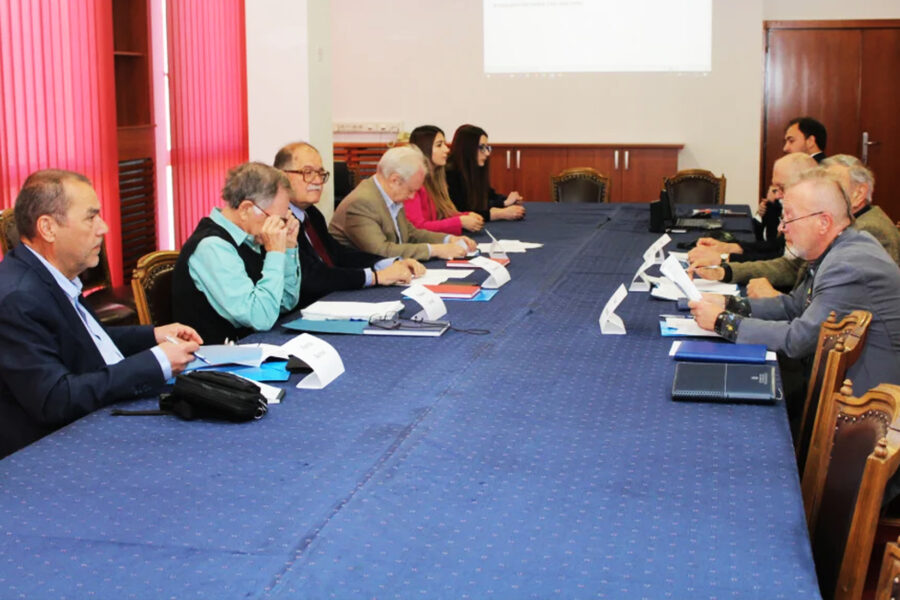
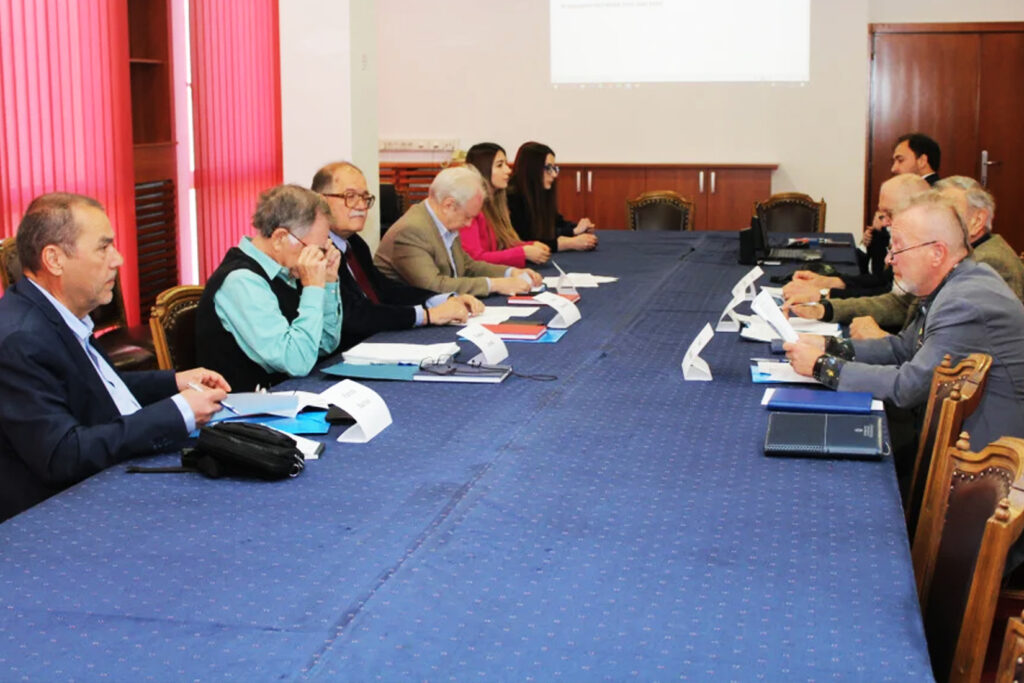
The commissions brought together international experts, researchers and academics from various disciplines. Their work involved the examination of historical records, demographic studies, testimonies and other available sources relevant to the events under investigation. Following extensive research, the final reports were completed and published in 2021.
HISTORICAL DOCUMENTATION AS A PUBLIC RESOURCE
Historical reports are often perceived as documents intended exclusively for researchers, academics or policy specialists. In reality, they also serve a broader purpose.
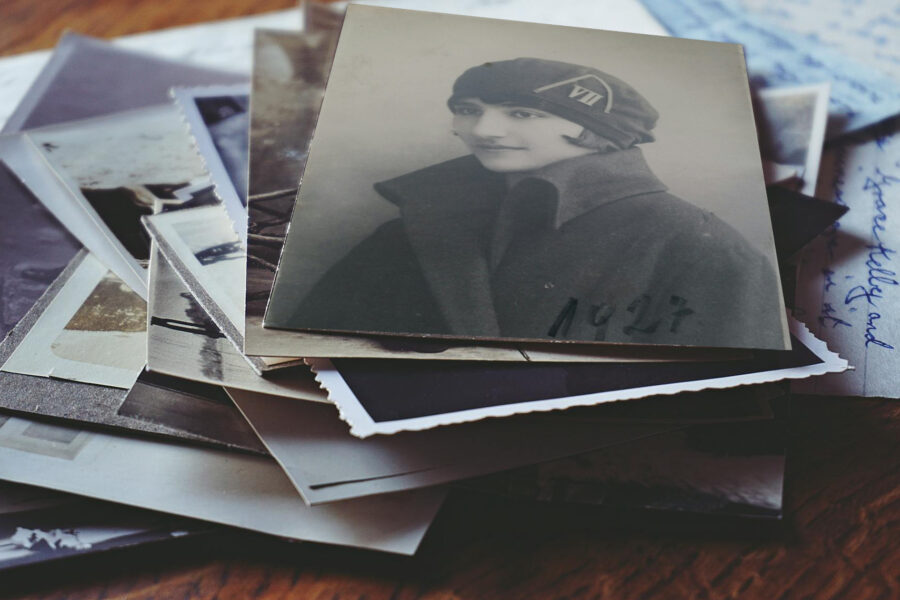
Reports, testimonies and archival materials form part of the historical record. They contribute to public understanding by preserving information that might otherwise be forgotten, fragmented or inaccessible. As time passes, eyewitnesses become fewer, physical archives deteriorate and historical memories gradually fade. For this reason, preserving documentation becomes increasingly important.
Historical records provide future generations with the opportunity to examine sources directly, explore different perspectives and engage with the historical process through documented evidence.
THE CHALLENGE OF ACCESSIBILITY
One of the greatest challenges facing historical documentation today is accessibility. Many important reports exist primarily as large printed volumes or lengthy digital documents. While valuable, such formats can be difficult for wider audiences to engage with.
Younger generations increasingly consume information through digital platforms, visual media, interactive content and short-form educational materials. As a result, significant historical documents often remain unknown outside specialist circles. This creates a growing gap between historical research and public awareness. Bridging that gap requires new approaches to presenting historical information while maintaining respect for the original sources and documentation.

PRESERVING HISTORICAL MEMORY IN THE DIGITAL AGE
The digital age provides new opportunities for historical preservation. Archival photographs, testimonies, maps, reports and historical analyses can now be presented through websites, digital archives, documentaries, interviews, timelines and educational media.
Such approaches do not replace original documents. Instead, they help audiences discover them. By making historical materials easier to access and understand, digital platforms can encourage wider engagement with historical records and inspire further research.
THE MISSION OF INCOMFIS
INCOMFIS was created with the goal of preserving, promoting and presenting the reports of the Independent International Commissions through modern digital formats.
The project seeks to transform complex historical documentation into accessible educational resources while preserving the integrity of the original reports. Through articles, interviews, archival materials, multimedia content and documentary storytelling, INCOMFIS aims to make important historical records available to wider audiences and future generations.
The objective is not simply to store documents, but to ensure that historical materials remain visible, accessible and relevant in an increasingly digital world. The preservation of historical memory is an ongoing process.
As new technologies emerge and methods of communication evolve, historical documentation must also adapt to remain accessible. Reports, testimonies and archival records continue to serve as important resources for researchers, educators and the public. By combining historical documentation with modern digital storytelling, initiatives such as INCOMFIS seek to ensure that significant historical records remain available for future generations to explore, study and understand.
History is not preserved only in archives. It is preserved when documents are accessible, when testimonies are remembered and when knowledge continues to be shared.